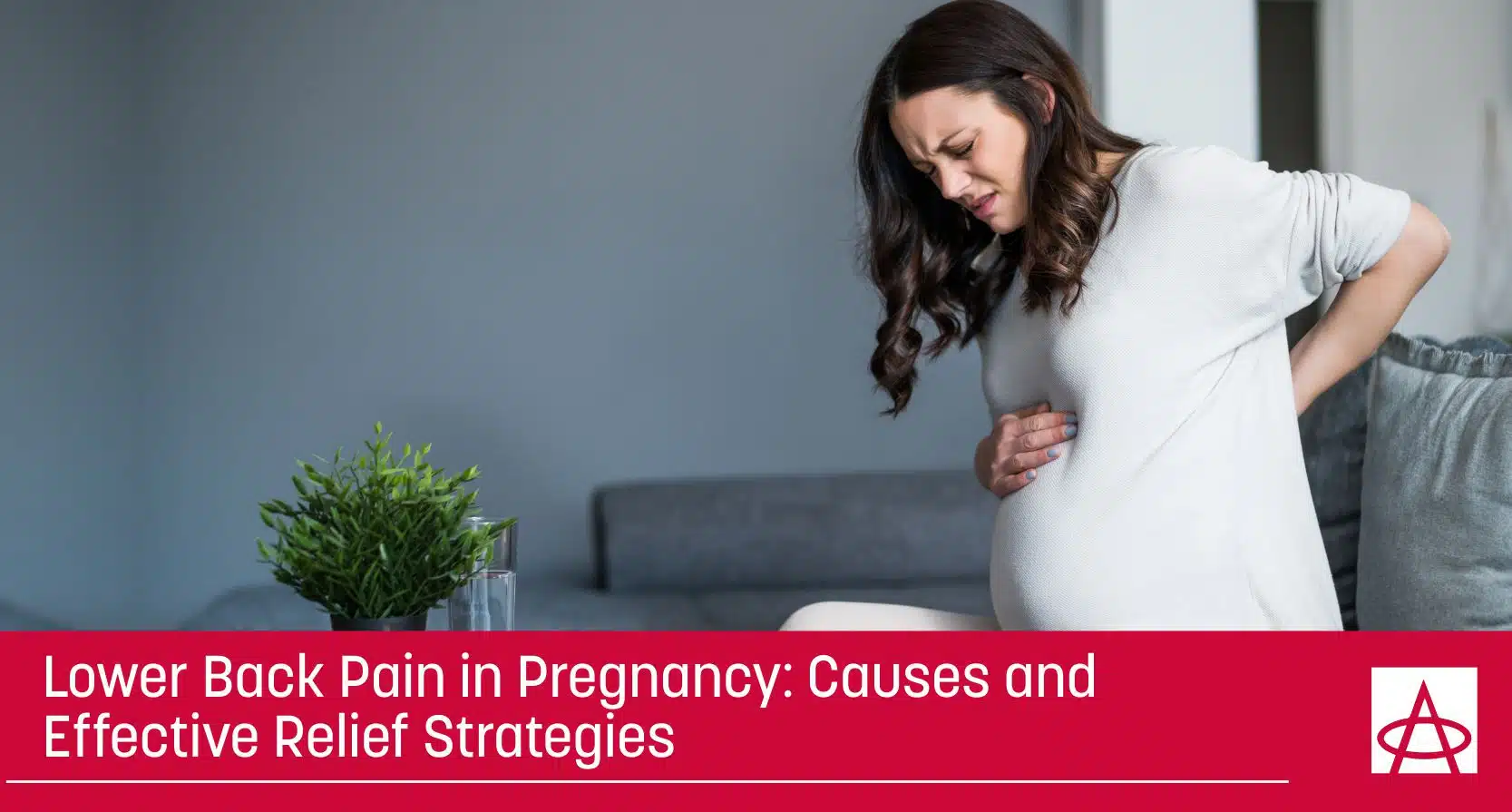
Lower Back Pain in Pregnancy: Causes and Effective Relief Strategies
Pregnancy-related lower back pain is common. A global study published in BioMed Central found that nearly 4 out of 10 pregnant women worldwide suffer from lower back pain. In most cases, there is a dull ache or nagging discomfort, but some women complain of severe pain that feels unbearable.
During pregnancy, a woman’s body naturally gains weight, her posture shifts, and her ligaments loosen, all of which can put added strain on the lower back. To ease discomfort, many expectant mothers turn to stretching, warm compresses, or supportive belts. These remedies might work, but it is suggested to search online for “pain clinic near me” and seek expert advice.
At Advanced Pain Care, we provide the right support and effective remedies to ease pregnancy-related lower back pain. Keep reading to discover why back pain happens during pregnancy, the common symptoms to watch for, and treatments to manage it effectively.
Why Does Lower Back Pain Occur During Pregnancy?
Lower back pain in pregnancy is the natural result of several changes your body goes through while preparing to support a new life. Understanding these causes is the first step toward safe and effective pain management in pregnancy.
- Hormonal Changes
During pregnancy, your body releases a hormone called relaxin, which helps loosen the ligaments in the pelvis and lower spine to prepare for childbirth. It can reduce joint stability and make the lower back more prone to strain.
- Postural Changes
As your belly grows, your center of gravity shifts forward, and your body often compensates by leaning back to maintain balance. This postural change puts extra pressure on your spine and back muscles, which results in lower back pain in pregnancy.
- Weight Gain and Pressure
As pregnancy weight increases, it places extra pressure on the spine, especially the lower back. Your back muscles must work harder to support both you and your baby, which often leads to fatigue and soreness. Stress and Fatigue
Physical and emotional exhaustion are likely to stiffen muscles and aggravate pain. To some women, simple daily activities become a hassle as they strain their lower back too much.
Common Symptoms of Lower Back Pain in Pregnancy
Pregnancy-related lower back pain is not the same in every woman. Yet there are some common patterns to watch for. If you observe these symptoms early, it can help you seek timely consultation from a reliable pain management clinic.
- Localized Dull Ache
Most women initially experience a persistent, annoying ache in the lower back. Standing for extended periods of time or sitting without support aggravates it.
- Sharp Back Pain
Occasionally, there is sharp back pain experienced when walking, bending, or lifting. It is typically caused by strained muscles and loose joints during pregnancy.
- Radiating Pain
Sometimes the lower back is not the only area that hurts. The pain from there radiates into the legs, thighs, or hips, making even the simplest movement difficult or painful.
Difference Between Normal Back Pain vs. Chronic Conditions
Mild to moderate pain is normal to expect during pregnancy. However, when the pain is severe or chronic, that may indicate a serious issue, which requires you to search for a pain doctor near me.
Role of Specialists in Pain Management During Pregnancy
Chronic pain management in pregnancy requires supervision of a specialist. You may try home remedies, but at least once, consulting a specialist is advised.
A specialized pain management doctor listens to your pain condition, considers your stage of pregnancy, analyzes your medical history, and creates a personalized plan. That ought to give you better results than general remedies.
Multidisciplinary Approach in a Pain Care Clinic
When you visit a pain care clinic, treatment is not provided by a single doctor. Physical therapists, pain management doctors, and other medical specialists may be on the team that ensures you receive comprehensive support. They can help you learn about safe exercise routines to stay active, ways to correct posture, and noninvasive therapies to reduce strain on the lower back.
Importance of Guidance and Education
Specialists can also guide you well in this special phase of your life. By explaining what’s normal, what needs attention, and how to adjust posture or activity, they help you feel confident, safe, and empowered to manage back pain throughout pregnancy.
How to Manage Back Pain During Pregnancy: Practical Tips
It does not always require medication for back pain. Sometimes simple lifestyle modifications can make a big difference.
- Gentle Stretching Routines
Light stretching is good, as it helps tight muscles to relax and improves flexibility. Safe movements, if repeated regularly, can help ease pressure on the spine and support effective pain management during pregnancy. - Supportive Maternity Belts
A maternity belt redistributes the weight of your expanding belly, relieving strain on your lower back. Some women find maternity belts helpful for everyday activities, particularly in later pregnancy. - Sleeping Positions to Reduce Strain
Your sleeping position matters. If you sleep on your side with a pillow between your knees, that will support proper spinal alignment. Gradually, you may observe reduced lower back pain at night. - Stay Active, But Avoid Overexertion
Do light activities that keep your body active. For example, walking or prenatal yoga keeps body muscles strong and flexible. Instead of finding exercises on your own, you must rely on a pain management clinic for safe exercise plans that do not lead to overexertion.
Looking for a Back Pain Specialist Near You? Advanced Pain Care Is Here!
Pregnancy back pain is normal, but it does not have to take away the joy of this special time. Get the right guidance and supportive care to enjoy your pregnancy journey with more moments of happiness, comfort, and excitement.
Step into the Advanced Pain Care clinic if you are searching for a trusted “pain care clinic near me” online. Our pain management doctors understand the unique challenges pregnancy brings. Based on your condition, lifestyle, and unique concerns, we suggest gentle therapies, lifestyle modification, medication, or other treatments that provide you with relief without risking the safety of both you and your baby.

Medical Editorial Team
This content has been medically reviewed by the Advanced Pain Care Medical Editorial Team, comprising board-certified physicians and clinical experts in pain management. Our editorial team adheres to strict standards of medical accuracy, ensuring that all information is evidence-based, up to date, and reflective of current best practices in patient care.