Overview:
Degenerative Disc Disease Treatment in Austin, TX
Despite being diagnosed as a “disease”, degenerative disc disease is more of a condition that occurs naturally in an aging body.
Degenerative disc disease is an age-related condition where one or more intervertebral discs degenerate over time as people grow older. This degeneration causes a wear and tear of the spinal discs, which are like the shock absorbers between the bones while enabling the flexible movement of the body.
Though it is a natural process in every human body, for some people the condition becomes much more serious. Damage in the spinal discs can cause several symptoms, with pain and instability of the limbs being primary among them. If you are experiencing these symptoms along with severe low back and neck pain, you should see a physician for professional diagnosis. Our physicians at Advanced Pain Care are here to conduct thorough and personal evaluations to properly diagnose your condition and develop a treatment plan specifically for you or a loved one.
While the degeneration of the discs will continue to progress over time, the pain caused by this condition can be treated and additional symptoms can be avoided using several non-surgical procedures.
What are the causes of degenerative disc disease?
The basic structure of the spine or the back bone of the body comprises three parts:
- Vertebrae — Interlocking bones in the spine supporting the whole body
- Intervertebral Discs or Spinal Discs — act as cushions for the vertebrae and enable flexible movement of the body
- Cartilage — protects the spine
The spinal discs have a tough exterior and a soft core. The inside of the human spine is mainly comprised of water at birth, however, as the body ages the water content starts depleting and flattens the discs out. The capacity of the spinal discs to absorb shocks starts reducing as the discs start drying out. Additionally, routine movements and injuries add stress to the exterior of the spinal discs which often causes tears in the outer wall which contains nerves and causes extreme pain. In the case of severe tears, there is also the danger of the disc entirely slipping or bulging out of place causing a condition called herniated disc, which can also impact the nerves in the region.
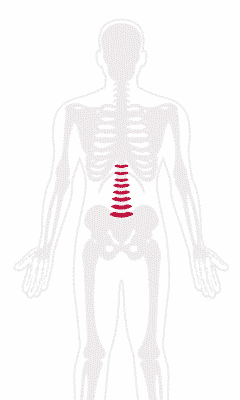
The most common areas where degenerative disc disease occurs is the neck or the cervical portion of the spine and the low back or the lumbar spine due to constant use and stress caused by normal, everyday movements.
What are some of the risk factors that increase incidence of degenerative disc disease?
While the drying out of the discs or the cracking of the walls expedite the onset of degenerative disc disease, there are several other causes that are not associated with the process of aging but can still initiate early onset of the condition. They include:
- Spinal disease such as ankylosing spondylitis
- Increased activity levels
- Genetic predisposition
- Sudden injuries
- Smoking
- Obesity
The natural process of degeneration in discs begins during the 20s; however, lifestyle conditions and accidents/injuries can cause the condition to progress more quickly depending on the severity of these events.
When left untreated, degenerative disc disease can also lead to more complicated conditions such as spinal stenosis, osteoarthritis, spondylolisthesis, and scoliosis.
What are the symptoms of degenerative disc disease?
The most common areas degenerative disc disease pain is initially felt is in the cervical or lumbar spinal regions. The pain is initially manifested as “sharp and shooting” in the neck or lower back region. The pain usually starts spreading to the back of the legs and the thighs since this condition impacts the nerves in the surrounding regions.
If you have been experiencing similar pain, notice if you are also feeling any of the following symptoms:
- Painful stiffening in the back with a feeling that you cannot move
- Severe and nagging back/neck pain that lasts for months
- Limited range of motion in the back and neck
- Severe pain while attempting routine movements
- Constant need to change positions or movement to reduce pain
- Pain felt in the back of the legs and thighs
- Pain felt in the arms and hands
- Numbness and tingling in the arms and legs
- Inability to sit or stand for long periods of time
- Weakness in the legs
- Muscle spasms
It is also important to note that the extent of pain does not necessarily indicate the extent of degeneration or damage. In some cases, the patient may experience acute or chronic pain but the need for surgical intervention is not needed. Additional evaluations and testing will indicate what type of treatment is needed.
When should I see a doctor?
In some cases the pain, or the manifestation of some or all of the above-mentioned symptoms, could range from mild irritation to debilitating pain. While chronic pain and disability can occur in some cases, it is relatively rare.
If you have been experiencing any of the above symptoms for some time or have been suffering from persistent, low-grade pain in the back and neck region, which flares up at times into a very severe one, it is most definitely time to schedule a visit to Advanced Pain Care.
If you do experience sudden loss in bladder and/or bowel control, this could be due to extensive damage to the nerves. Seek immediate medical help or contact us at 512-244-4272.
How is degenerative disc disease diagnosed?
The physicians and pain care specialists at Advanced Pain Care follow a 360-degree approach to understanding and evaluating your condition before making a professional diagnosis.
They will begin with various questions to understand the causes and extent of the symptoms, such as:
- Did you have a minor/major injury/accident in the recent past?
- When did you begin to experience the pain and where do you feel it?
- Do you feel persistent pain, a radiating one or does it come and go?
- Do you feel a stiffness or numbness in your back and/or legs?
- What is your exercise routine?
- What is your lifestyle like?
- Did anyone in your immediate family suffer from similar symptoms?
And more…
Once this information is established, it is followed up by a physical examination to check for any abnormalities such as swelling and bulging, evaluate the extent of the pain, range of motion, etc.
Depending on what was revealed, the physician may ask for an X-ray to check for bone spurs, fractures, or to see if the space between the discs has reduced. However, an X-ray does not indicate the changes in the inner core of the spinal discs so an imaging test will be prescribed. The magnetic resonance imaging (or MRI) test indicates any tears, dehydration or herniations in the discs. It can also indicate if there is a narrowing of the spinal canal and show the extent of any damage.
How is degenerative disc disease treated?
With degenerative disc disease being a very broad-based condition, the physicians and pain management specialists at Advanced Pain Care follow a symptom-based treatment, emphasizing the management and reduction of pain and other symptoms to enable a better quality of life.
Before considering whether surgical intervention is required, doctors follow a conservative symptom treatment method which comprises the following:
- Medication — Over-the-counter medicines such as nonsteroidal anti-inflammatory drugs, opioid pain relievers, and muscle relaxants
- Therapeutic Injections — Commonly prescribed injections include nerve block injections, trigger point injections, epidural corticosteroid injections, etc.
- Lifestyle and dietary modifications
- Physical therapy
- Implantation of nerve stimulation devices to minimize pain (spinal cord stimulator)
- Ice and cold pack application
- Exercises
Treatment plans are developed for each patient individually. In some cases, conservative treatment plans may not relieve the pain or reduce negative symptoms. In such cases, spine specialists will begin evaluating surgical intervention and options.
What are the surgical treatment options for degenerative disc disease?
As a rule of thumb, spine specialists will recommend surgical intervention if conservative, non-invasive treatments do not provide relief after 12-16 weeks and the pain and symptoms persist or even get worse. The most common surgical procedures for this condition are:
- Spinal Fusion — This is considered if the spine is unstable, causing progressive weakness or loss of bowel/bladder control. In the case a disc is severely damaged, it is surgically removed and the surrounding vertebrae are fused together to re-stabilize that portion of the spine.
- Artificial Disc Replacement — As the name suggests, after a damaged disc is removed, it is replaced with a prosthetic or artificial disc. This is gaining wider traction with advances in technology. Again, this is reserved for an unstable spine.
- Discectomy — This procedure involves the removal of some or all of the damaged disc. This is done to relieve pressure on a pinched nerve, which causes severe pain in upper or lower extremities.
What are some of the pre- and post-operative considerations?
The decision for surgery rests entirely in the hands of the patient and their doctor. Before considering surgery as a final option, here are some pre- and post-operative considerations your doctor will go over with you:
- Surgery is recommended only in cases where the MRI clearly indicates the specific site and cause of the pain.
- The post-surgery recovery process may include changes to one’s lifestyle.
- Regular physical therapy, pain management options, medications, the wearing of a neck or back brace, etc., may be advised for weeks or months after surgery.
- To maintain post-surgery benefits, doctors will advise changes in lifestyle, including restriction of alcohol and nicotine, increase in activity levels, etc…
How can I prevent the onset of degenerative disc disease?
Once degeneration starts, it cannot be reversed. With timely treatment, doctors and specialists can treat the symptoms of the condition and help you live a normal life. In the case of degenerative disc disease, the saying “prevention is better than a cure” certainly holds true. Even though we cannot completely stop the natural wear and tear that occurs in each of our bodies, there are ways to slow down the progression or delay the onset of the symptoms. Doctors will ask you to follow a healthy and active lifestyle and adhere to recommendations, such as:
FAQS
Q: What is degenerative disc disease?
A: Degenerative disc disease happens when the discs between your spine bones slowly start wearing down with time. These discs act like cushions, and when they lose their support, it can lead to back or neck pain, stiffness, and discomfort during daily activities. At Advanced Pain Care, degenerative disc disease doctors first try to understand what is causing your pain before planning treatment.
Q: What are the symptoms of degenerative disc disease?
A: A sore or stiff back is one possible sign. Neck pain can occur when the affected discs are higher in the spine. Pain can sometimes extend into the buttock, leg, arm, or shoulder. Numbness, tingling, or weakness may indicate irritation of a nearby nerve.
Q: What causes degenerative disc disease?
A: Disc degeneration is part of getting older. The discs lose some of their water content and flexibility as the years pass. A past back injury can speed up these changes. Repeated strain, smoking, genetics, and certain physical demands can play a role too. The condition does not come from a single cause in every person.
Q: Is degenerative disc disease a disability?
A: Having degenerative disc disease does not mean you are disabled. Many people manage their symptoms and continue their daily routine with the right care. In some severe cases, it may affect movement, work, or quality of life.
Q: What is the best treatment for degenerative disc disease?
A: There is no single treatment for degenerative disc disease that works for everyone. Treatment depends on your symptoms, the affected area of the spine, and the findings from your evaluation. Options may include physical therapy, targeted exercises, medications, and other pain management treatments when appropriate.
Q: Can degenerative disc disease be reversed or cured?
A: The physical changes within a worn disc cannot usually be restored to their original condition. Pain and other symptoms can still improve. Exercise, physical therapy, healthy habits, and appropriate pain treatment can make daily movement easier. Many people continue an active life once their symptoms are under control.
Q: What aggravates or makes degenerative disc disease worse?
A: Long hours in a chair can leave your back sore and stiff. Heavy lifting, repeated bending, poor posture, and sudden twisting may also trigger pain. Too little physical activity can weaken the muscles that support your spine. Being mindful of these habits can alleviate unnecessary strain on your back.
Q: Is walking or exercise good for degenerative disc disease?
A: Walking is a good starting point for many people with back pain. Regular movement can help maintain muscle strength and keep the spine flexible. Exercise should still be chosen with care. A movement that feels helpful for one person may increase pain for another. A degenerative disc disease specialist or physical therapist can recommend exercises that fit your symptoms.
Q: What is the difference between degenerative disc disease and a herniated disc?
A: Degenerative disc disease refers to gradual changes within a spinal disc over time. A herniated disc is a different problem where part of the inner disc material pushes through a weakened area of the outer disc and may irritate a nearby nerve. This nerve irritation can cause pain, numbness, tingling, or weakness that travels into an arm or leg.
Q: When should I see a doctor for degenerative disc disease?
A: If your pain continues for weeks, affects your daily activities, or comes with numbness, tingling, or weakness, it is better to get it checked. At Advanced Pain Care, an early evaluation can help find the reason behind your pain and guide the right degenerative disc disease treatment.