



Advanced Rx: A Pharmacy You Can Trust
By Matt Sage, Pharmacist in Charge Do you feel lost in a sea of customers when you’re trying to get quality service at a big chain pharmacy? I hope you’ll consider visiting us at Advanced Rx Pharmacy instead. We offer a level of personal care that keeps our customers happy they made the switch.There’s a lot to be proud of at Advanced Rx, but I’ve picked a couple of customer favorites to highlight for you.Before we dive in, you should know this: You don’t have to be an Advanced Pain Care patient to visit our pharmacy.Next time you’re running errands, stop by

Meniscus Tears: Causes, Symptoms & Treatment Options
By Advanced Pain CareYour knee has a piece of cartilage that acts as a cushion between your shinbone and your thigh bone. It’s called a meniscus. Since most of us rely on our knees to perform a variety of activities, you can imagine how easy it might be to tear your meniscus.A torn meniscus can result from any activity that involves twisting or rotating your knee — even kneeling, deep squatting, and heavy lifting.Who’s At Risk for Meniscus Tears?The most common meniscus tears happen in athletes involved in contact sports (like football) or pivoting sports (like snow skiing, basketball, soccer, and

Fighting Chronic Pain is a Family Affair
By: Tracy MaloneI felt horrible and helpless watching my husband, Dr. Mark Malone, go through intense, chronic pain 24 hours a day.At the time, we had a new business, and we were struggling like any new business owners, and you wonder; does he just want to check out? Does he just want to not think about all of this for a little bit?Around this time, I was very worried about his health. He was rapidly losing weight, that was scary to see. We had financial worries. At one point, we were living on disability checks and credit cards. I worried about
Chronic Pain? Inversion Therapy Could Help
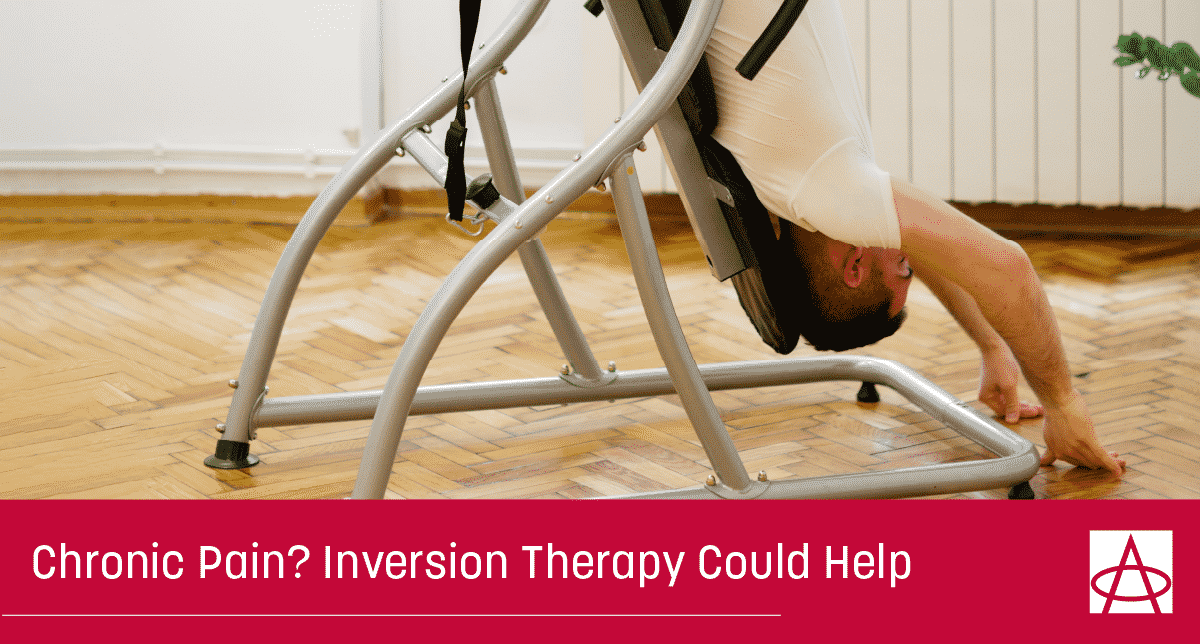
By: Dr. Victor TaylorInversion therapy is a relatively inexpensive way to apply traction to the spine and helps to manage chronic spinal and radicular pain. This type of treatment can aid in the treatment of lumbar, thoracic, and even neck pain. A significant component of chronic pain is related to poor biomechanics, or loss of ideal movement. Inversion therapy can aid one important component of poor spinal biomechanics. What does that mean? Biomechanics simply refers to how our bodies move. How we walk, run, lift, sit etc. When biomechanics are off because of a problem in a joint, with a muscle or tendon

Self-Care Tips for Managing Chronic Pain at Home
Discover how you can begin managing chronic pain with easy at-home self-care tips from Advanced Pain Care’s Dr. Adam Spjute.

Pain Treatment Options for Arthritis and Auto-Immune Conditions
Discover Advanced Pain Care’s top tips to combat your joint pain and work towards personalized pain treatment and complete joint pain relief.

Dennis’s Spinal Cord Stimulator Success Story
Read Dennis’s story to learn how his experience at Advanced Pain Care led to a spinal cord stimulator that ended years of debilitating pain.
Pre-Operative Instructions for a Successful Spinal Cord Stimulator Procedure
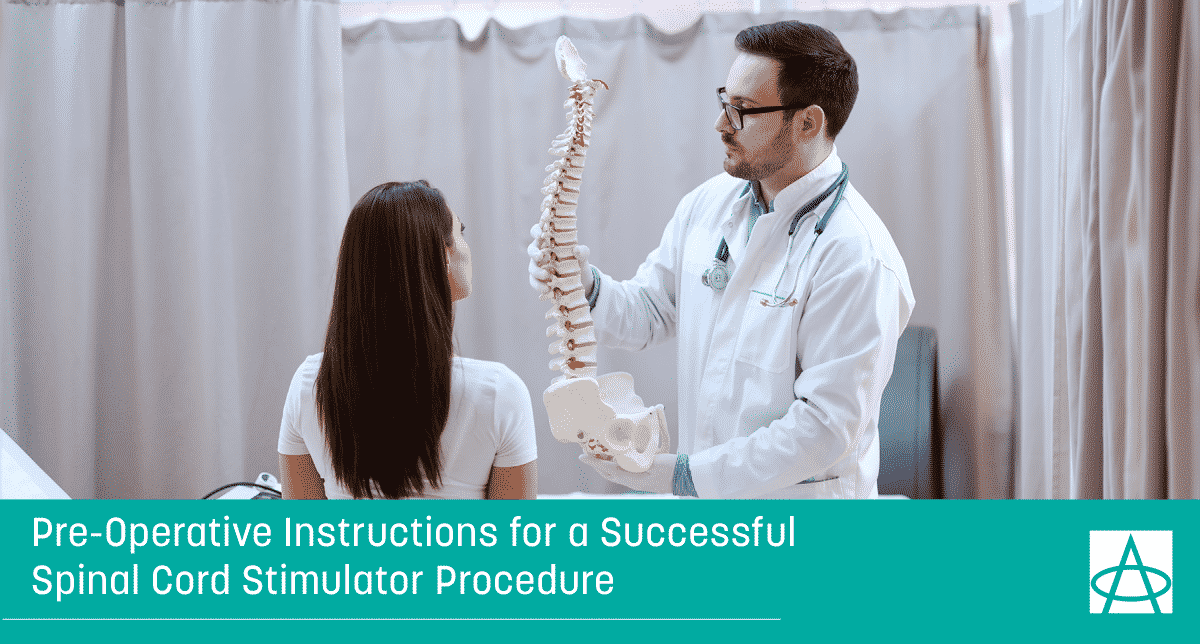
Plan and prepare for a successful spinal cord stimulator procedure by reading our pre-operative instructions.
Recovering From a Spinal Cord Stimulator Implant Procedure
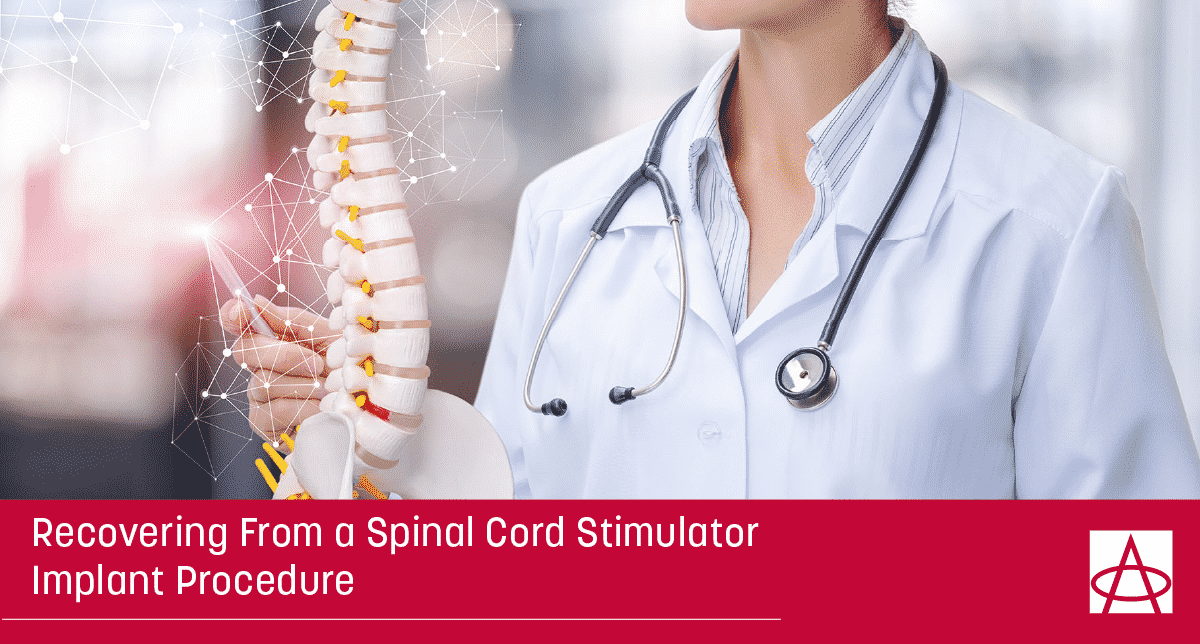
Once you have a spinal cord stimulator, you’re starting a new chapter in your life. You may feel ready to get back to your normal activities since you're experiencing pain relief. Still, recovering from a spinal cord stimulator procedure requires patience and understanding.

Opioid Stewardship Program for Safer Pain Management in Austin
By Dr. Andre ChenThe growing opioid epidemic lies between two major intersections: reducing the suffering of chronic pain patients and reducing the risk of opioid addiction. Our successful opioid stewardship program delegates the appropriate use of addiction management to improve patient outcomes and reduce the complications of opioid therapy.Good Intentions Lead To The Prescription Opioid EpidemicBeginning in the mid-1990s, US health practitioners gradually increased the use of prescription opioids with a good intention to help manage a crisis of untreated chronic pain and provide better access to pain control, often for cancer or at the end of life.Before that, doctors
