



Spinal Cord Stimulator Procedure: A Minimally Invasive Option for Chronic Back Pain
A spinal cord stimulator is a small device placed near the spine to help manage chronic back pain. It sends gentle electrical pulses to the spinal cord that help block or reduce pain signals from reaching the brain.People who haven’t found relief from medicine or therapy for their chronic back pain may benefit from this device. It can also help with sciatica or nerve pain caused by pinched or irritated nerves. Even pain that continues after back surgery can be treated with a spinal cord stimulator procedure by an expert pain specialist.You can receive this treatment at Advanced Pain Care,
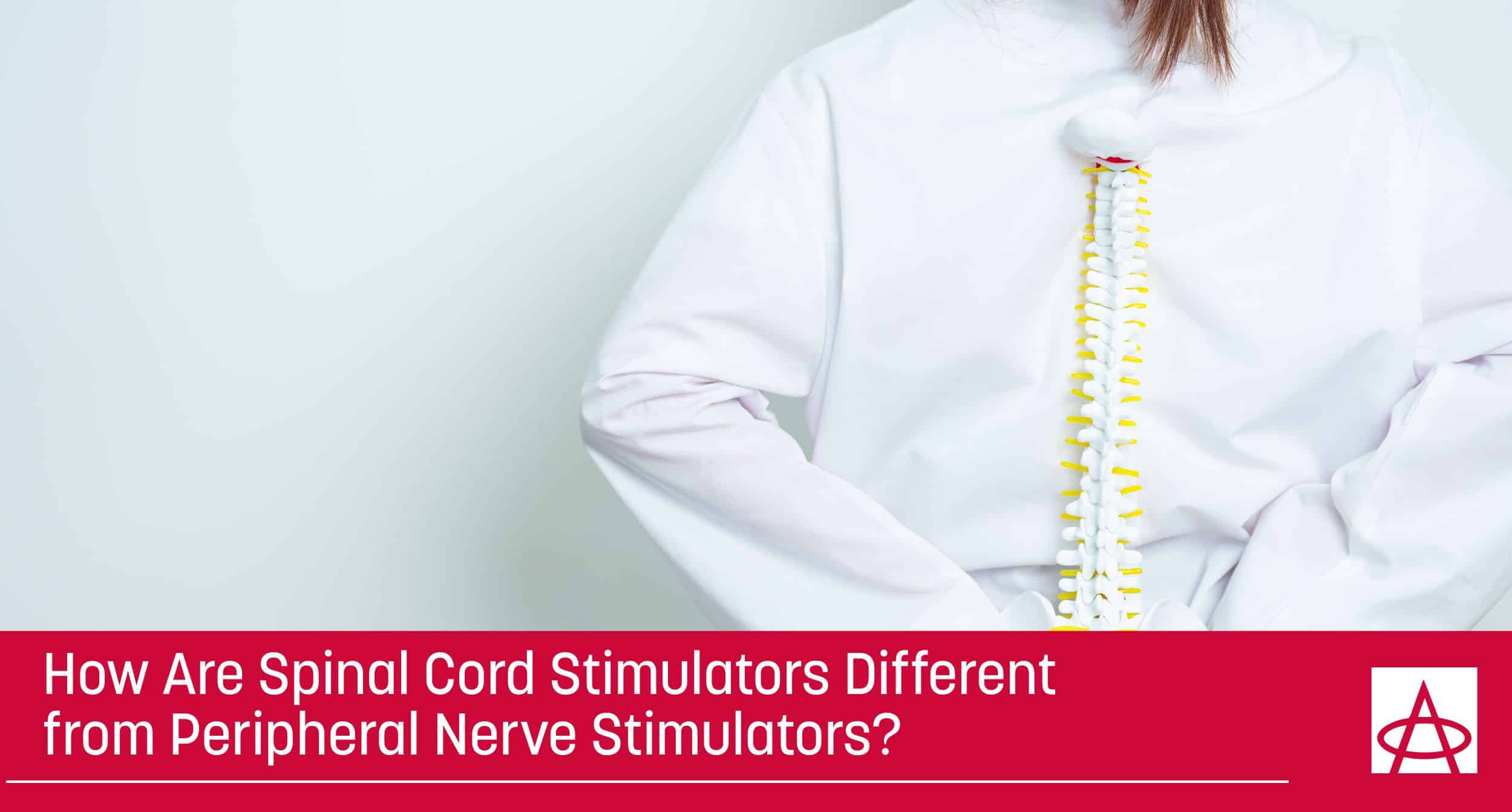
How Are Spinal Cord Stimulators Different from Peripheral Nerve Stimulators?
Chronic pain can make daily life feel overwhelming, but finding the right treatment to manage that pain can help restore your freedom and activity. Spinal cord stimulators and peripheral nerve stimulators can help you curb discomfort by blocking pain signals from reaching your brain.A spinal cord stimulator is designed to alleviate pain originating from the spine or affecting larger areas of the body. In contrast, a peripheral nerve stimulator targets smaller, specific nerves to provide relief in localized areas, such as the knee or shoulder.Understanding how these devices work can help you determine which option is best suited for your
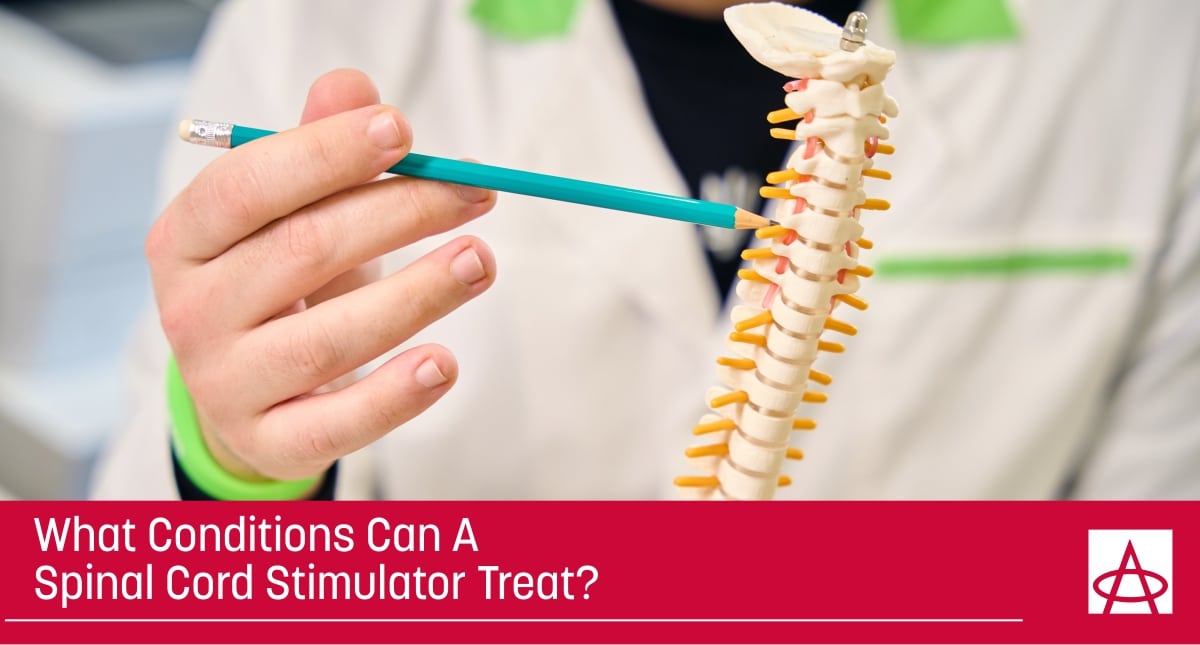
What Conditions Can A Spinal Cord Stimulator Treat?
Living with persistent pain can be a steady battle, creating hurdles and distress that are difficult to ignore. Chronic pain affects millions, often interfering with daily life and making even simple tasks hard to manage. However, advancements in therapeutic innovation, like spinal cord stimulators (SCS), offer hope for managing this pain and bringing effective relief. These tiny devices are put beneath the skin to send gentle electric signals to the spinal cord. These signals disrupt pain messages before they reach the brain, relieving many patients of chronic pain.If you’re seeking relief from chronic pain, consult the spine doctors at Advanced
How Effective is Spinal Cord Stimulation for Chronic Pain?
Everyone experiences occasional pain due to several factors, such as occupation, inappropriate postures, injuries, etc. However, when that pain affects our ability to function or grows more severe, it's time to consult a pain management doctor.Pain lasting for months or even years is termed chronic pain. Sometimes, it does not subside even after multiple treatment approaches. When all non-surgical treatments have been exhausted, pain specialists recommend a special nerve stimulation therapy known as spinal cord stimulation or neurostimulation. A spinal cord stimulator uses electrical pulses to disguise pain signals before they reach the brain, making it an effective solution for

Spinal Cord Stimulator: What You Need to Know
If the chronic pain in your back (or neck) prompted you to search online for a suitable treatment, you might have come across results for a Spinal Cord Stimulator. It’s important to know if it may be suited for your condition. To help you with this, we’ve listed everything you should know about Spinal Cord Stimulation. Let’s first begin with the basic understanding of what it is and how it works.A spinal cord stimulator (also known as SCS) is a remotely controlled device that treats or manages different types of chronic pain by sending a low-level electrical current to the
Q&A: Chronic Pain and the Spinal Cord Stimulator
By Amber Featherston, Director of Surgical ServicesIn APC’s recent Facebook Live lunch, we had over 300 comments asking Dr. Mark Malone, Dr. Brad Culling, and Patient Ambassador Chester Jones a variety of questions about the spinal cord stimulator. (If you missed it, you can watch the full video on our YouTube channel.)With such enthusiastic participation, we couldn’t answer all of your questions in that session, so we’ve answered them below. We also encourage you to set up an appointment so we can address questions that are unique to your personal situation.If you’d like to read more about the spinal cord
